Wednesday, November 12, 2025, at City Hall, leaders from three Portland schools, including our own Executive Director, Beven Byrnes, delivered clear, compelling testimony urging the Portland City Council to reject proposed mid-year cuts to the City’s Impact Reduction Program (IRP) and other vital sanitation, safety, and outreach services. Representing students from preschool through high school, they made one unified point: Portland’s children depend on these services every day and reducing them would pose immediate risks.
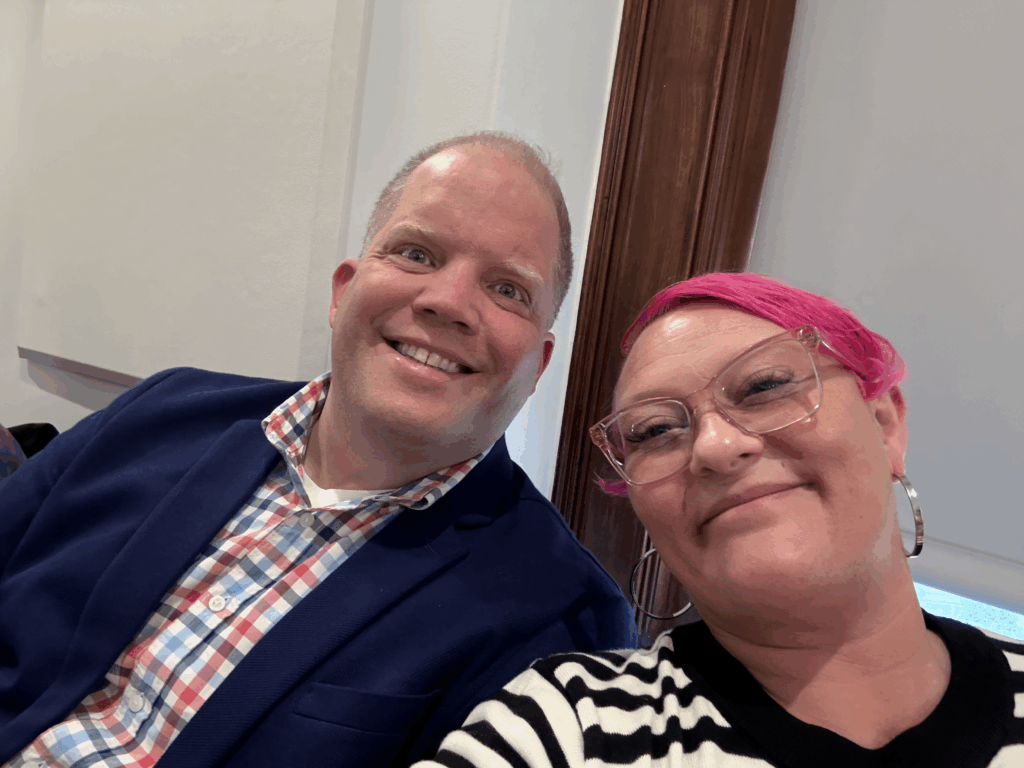
Beven’s remarks were joined by testimony from:
- Bodo Heiliger, Head of the International School of Portland and Bridges Board Member
- Peyton Chapman, Principal of Lincoln High School
Their testimonies helped anchor a critical public discussion about safety, sanitation, and the conditions Portland’s youth encounter as they move throughout our city.
A High-Stakes Vote with Citywide Implications
According to reporting from Alex Zielinski of Oregon Public Broadcasting, Wednesday’s vote followed more than seven hours of intense public testimony and debate. The proposed amendment, introduced by Councilor Angelita Morillo, would have reduced the Impact Reduction Program’s budget by $4.3 million, shifting funds toward housing, food security, and immigration support services.
While many acknowledged the importance of those systems, the majority of speakers — including Beven, Bodo, and Peyton — stressed that slashing cleanup and outreach services would undermine student safety, destabilize neighborhoods, and reverse progress students and families are already experiencing.
Zielinski notes that the debate also reflected a growing divide on the Council regarding approaches to homelessness and public space management. Emotions ran high. Councilors disagreed sharply over data, timelines, and priorities. Against this backdrop of discord, community testimony from our school leaders stood out for its clarity, consistency, and grounding in lived experience.
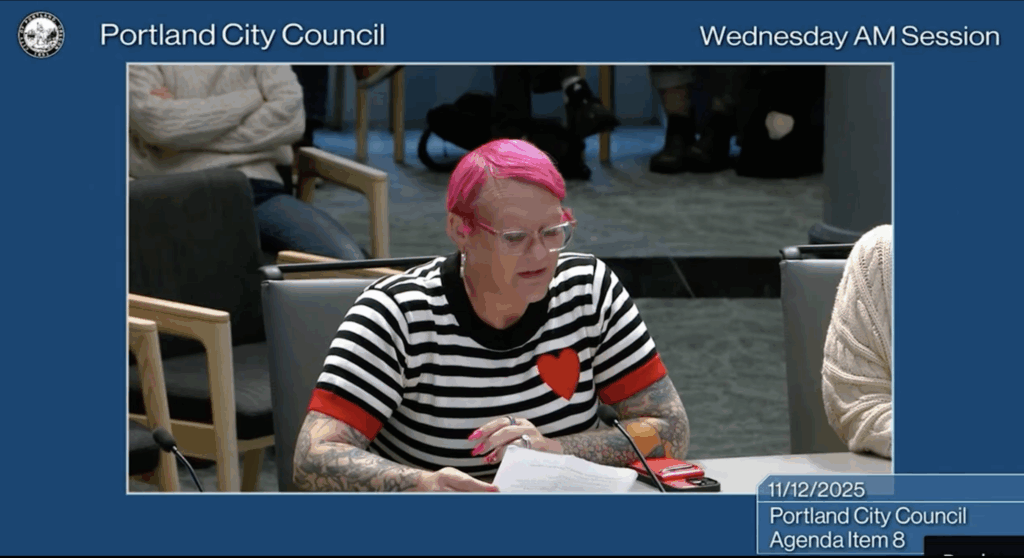
“These aren’t abstract policies. To us they shape what it feels like for our kids to walk to school, for our parents to drop them off, and for teachers to keep our campus safe.”
In her testimony, Beven described the reality we see daily at Bridges Middle School. Located one block from the NW Northrup overnight shelter, our students’ safety and emotional well-being are directly tied to consistent cleanups, timely outreach, and responsible coordination between City programs.
When those services are disrupted, conditions deteriorate quickly:
- Needles and biohazard waste appear along walking routes
- Trash accumulates
- Anxiety rises among families and students
- Educators divert time and energy from learning to manage health and safety concerns
Beven’s message was concise: Reject these mid-year cuts, keep routes near schools, shelters, and transit hubs a priority, and continue supporting the workers who keep Portland safe and clean.
A Unified Voice from Portland Schools
Bodo Heiliger, Head of the International School of Portland, reminded the Council of the recovery still underway:
“I want to say plainly: now is not the time to pull back. We haven’t fully recovered yet from the hardest of times, and we have major work to do together, collaboratively, and with clear purpose.”
Peyton Chapman, Principal of Lincoln High School, spoke about the everyday realities students face downtown and emphasized how essential predictable sanitation and outreach services are to creating safe, supportive pathways to school.
Community Reaction
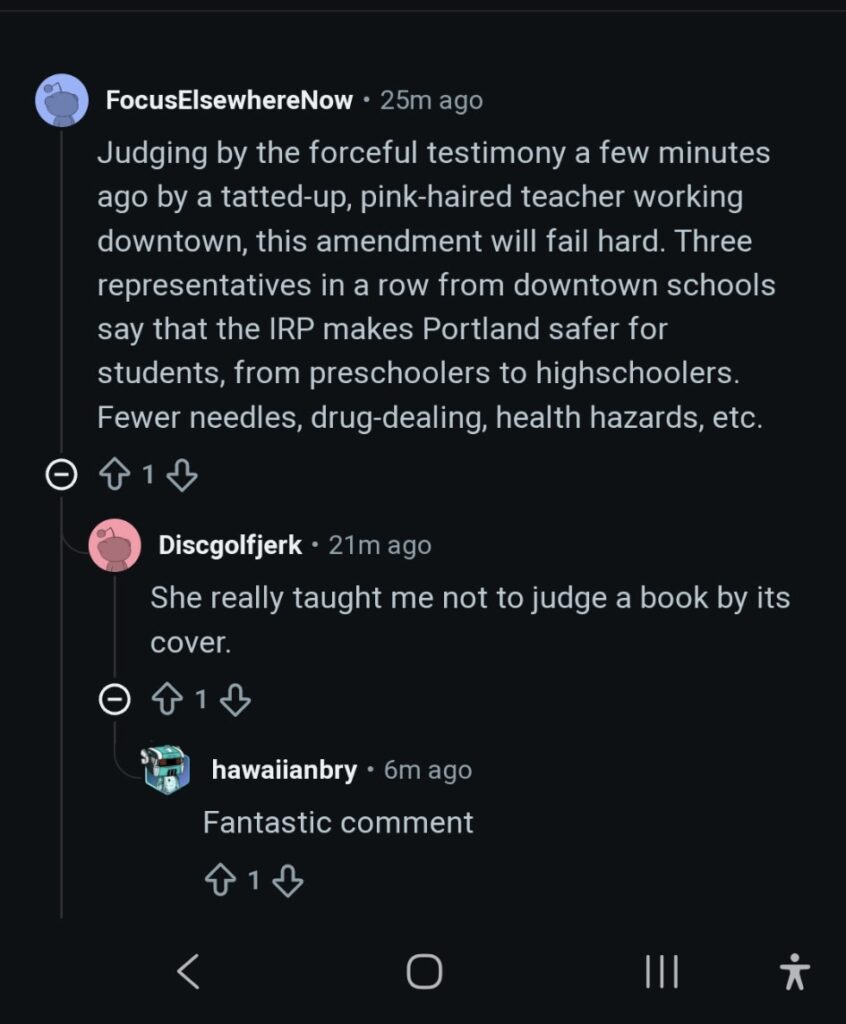
A Reddit observer summarized Beven’s testimony:
“Judging by the forceful testimony a few minutes ago by a tatted up, pink-haired teacher working downtown, this amendment will fail hard. Three representatives in a row from downtown schools say that the IRP makes Portland safer for students, from preschoolers to high schoolers. Fewer needles, drug dealing, health hazards, etc.
The Amendment Failed
After hours of testimony, debate, and procedural confusion, the amendment to cut IRP funding failed. The proposal received five votes in favor but needed seven to pass; several councilors who opposed the cuts left the chamber before the vote, but their absence effectively blocked the amendment.
This decision preserves:
- Consistent sanitation and street cleanup services
- Coordinated outreach and public health support
- Safer routes for students across the city
- Stable employment for the workers who maintain Portland’s public spaces
It also affirms that strong, coordinated community testimony can shape policy. Thank you, Beven, Bodo, and Peyton!
Watch the Full Testimonies
You can view each educational leader’s testimony here: