
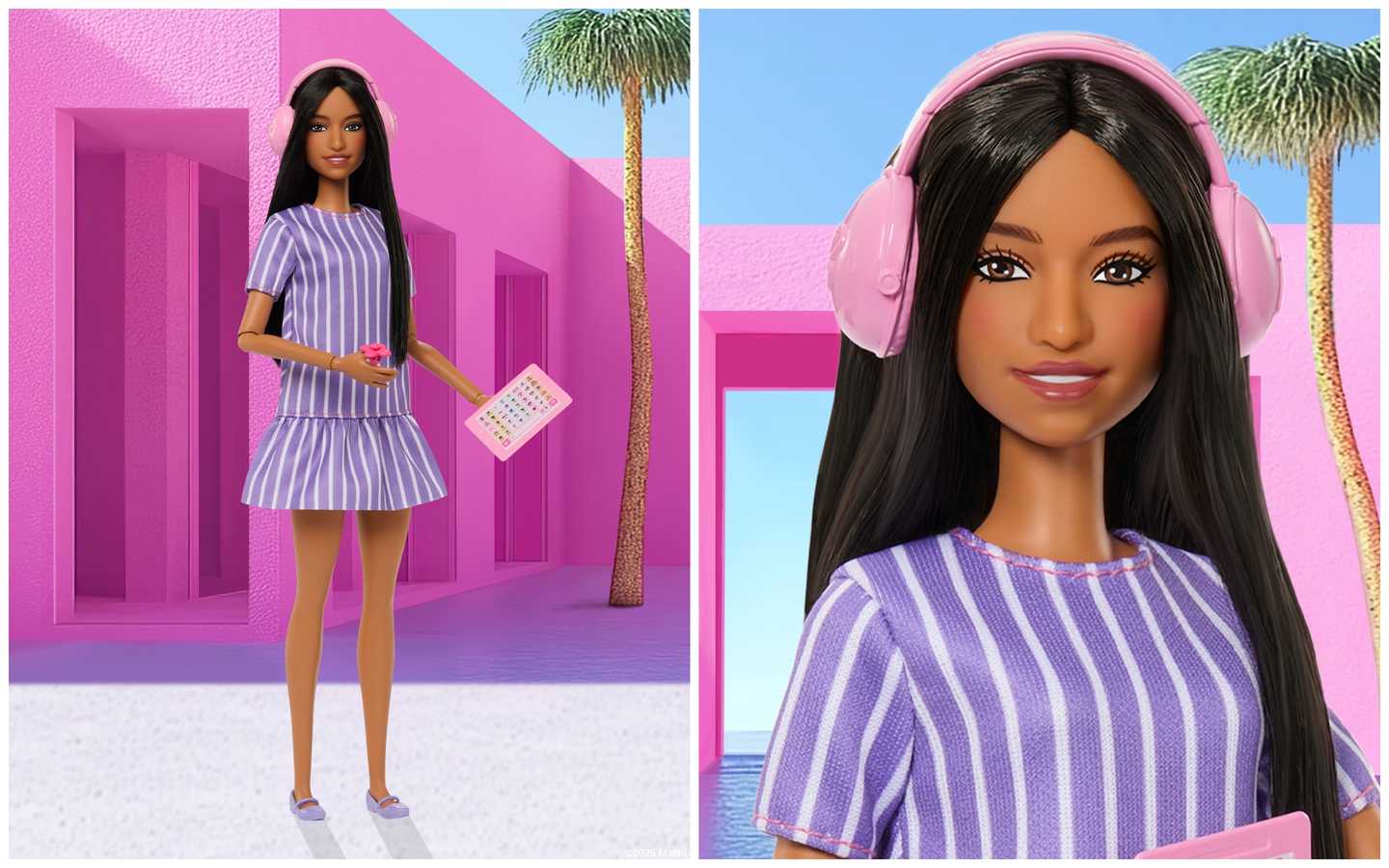
All Photos: The autistic Barbie doll + Accessories. (Photo illustration: Yahoo News; photos: Mattel)
When Mattel introduced its new autistic Barbie, it did more than add another doll to the shelf—it opened a door. For many children and families, that door has been closed far too long.
Representation matters because it signals who belongs. For decades, autism—and invisible disabilities more broadly—have been underrepresented or flattened in mass media and toy manufacturing. When disability did appear, it was often stereotyped, medicalized, or invisible altogether. Toys, which quietly teach children how the world works and who is valued in it, rarely reflect the complex, individualized experiences of neurodivergent people.
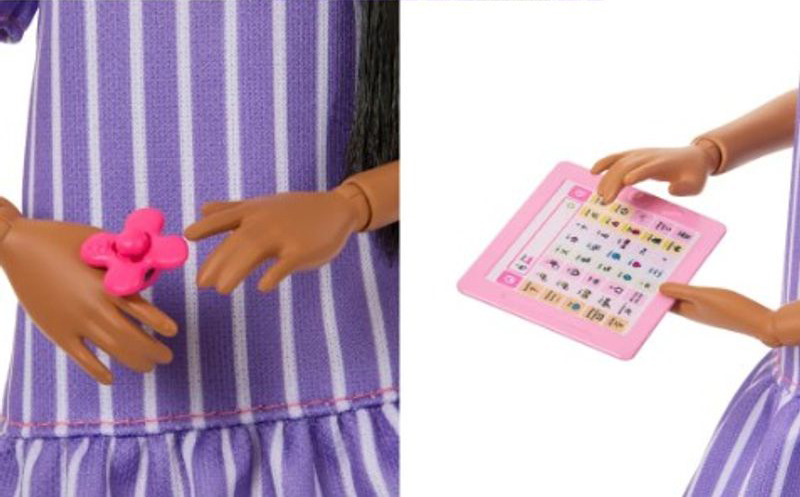
That’s why this Barbie feels celebratory and supportive all at once. The thoughtful variety of accessories acknowledges what families and educators know to be true: autism is not one thing. It is a spectrum of strengths, sensitivities, preferences, and needs that look different from person to person and from moment to moment. Tools that support regulation, communication, or comfort aren’t symbols of limitation—they are expressions of self-knowledge and agency. By including multiple accessories, Mattel honors individuality and communicates a powerful message to children everywhere: you can be yourself, and you belong.
At Bridges Middle School, belonging isn’t a buzzword—it’s a cornerstone. Our tagline, “Belong. Learn. Soar. Find your place. Spread your wings.” reflects a simple truth we see every day: belonging is the difference between effective learning and being passed along. When students feel seen and understood, they engage. When they feel safe, they take risks. When they belong, learning becomes possible.
I’ve written about how traditional middle school models often miss the moment for neurodivergent learners—particularly those with anxiety, ADHD, autism, and related learning differences. Too often, students are expected to contort themselves to fit systems not designed for them. The result can be isolation, disengagement, and a quiet erosion of confidence. Belonging changes that trajectory. It fosters positive social and emotional growth, builds resilience, and replaces isolation with connection.
That’s why a doll matters.
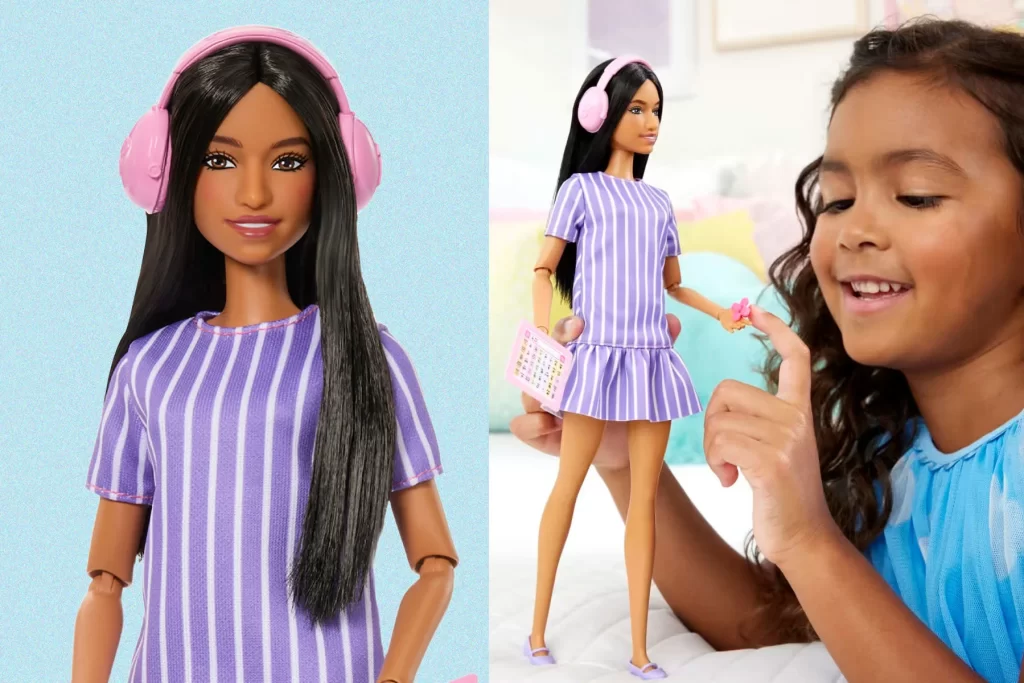
A child who sees an autistic Barbie with tools that look like theirs receives a subtle but profound affirmation. A peer who plays alongside that doll learns empathy and normalizes difference. Families see themselves reflected. Educators gain another entry point for conversation. Culture shifts, one small moment at a time.
Mattel’s autistic Barbie is not the finish line—representation must continue to grow in depth, accuracy, and inclusion—but it is a meaningful step forward. It reminds us that visibility creates possibility. And it aligns beautifully with what we know to be true at Bridges: when people belong, they don’t just get by—they learn, they grow, and they soar.
Beven Byrnes, mother of four, is Executive Director of Bridges Middle School, a pioneering program serving neurodivergent learners in Portland, Oregon. A veteran advocate and educational leader, she has led the school for 14 years, working to transform whole-school design, pedagogy, and culture to meet the needs of students with anxiety, ADHD, autism, and related learning differences.