Last week, a conversation that began with a single idea—representation matters—traveled farther than we could have imagined.
In response to Mattel’s release of its first autistic Barbie, Bridges Middle School spoke clearly and publicly about what inclusion truly means for neurodivergent learners. What followed was extraordinary. Over just a few days, that message reached audiences locally, nationally, and globally—affirming that the need for thoughtful, experience-based perspectives on neurodiversity has never been greater.

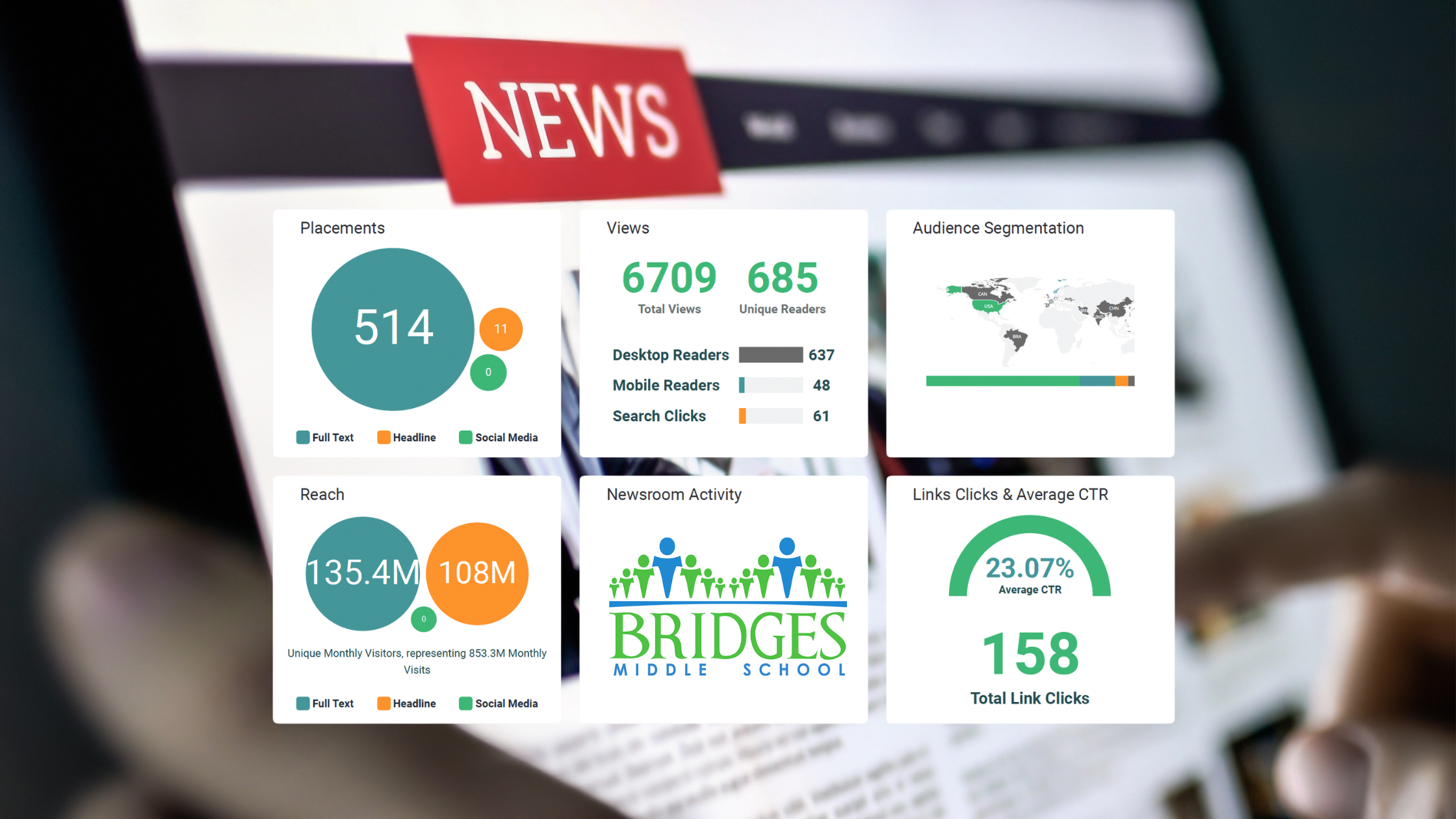
According to our media release report, coverage of Bridges’ response to the autistic Barbie resulted in over 500 media placements across major national outlets, regional newsrooms, and international publications, with a potential reach exceeding 135 million readers worldwide.
The story appeared on platforms such as Associated Press, Yahoo! Finance (U.S. and UK), MarketWatch, Barron’s, KTLA-TV, Fox, NBC, ABC affiliates, and news outlets across North America, Europe, Asia, and beyond.
This level of reach matters—but not for vanity. It matters because it signals something deeper: educators, families, policymakers, and cultural leaders are hungry for grounded, real-world expertise on neurodivergence.
Why This Message Resonated
At Bridges, we talk often about belonging. It is the first word in our tagline—Belong. Learn. Soar.—because we know that belonging is the foundation for everything that follows. Without it, learning falters. With it, students thrive socially, emotionally, and academically.
That same principle applies far beyond school walls.
The conversation sparked by the autistic Barbie wasn’t really about a doll. It was about visibility. About correcting decades of underrepresentation of autism and invisible disabilities in mass media. About moving away from stereotypes and toward nuance, dignity, and lived experience.
Our message—that autism is not one story, one look, or one set of needs—resonated because it reflects what we see every day at Bridges. Neurodivergent learners are complex, capable, creative individuals. When systems are designed for them rather than around them, the results are transformational.
From School Model to Thought Leadership
For 27 years, Bridges Middle School has quietly done the work of reimagining what education can look like for students with anxiety, ADHD, autism, and related learning differences. This moment of widespread attention reflects not a single comment, but a long-standing commitment to whole-school design, inclusive pedagogy, and culture change.
The breadth of this coverage—from local Portland readers to international audiences in Europe and Asia—positions Bridges as more than a school. It positions Bridges as a credible voice and trusted resource in the broader conversation about neurodiversity, inclusion, and belonging in education and beyond.
That responsibility matters to us.
Looking Ahead
We are deeply grateful to the journalists, editors, and readers who engaged with this story—and to the autistic individuals and families whose lived experiences continue to guide our work.
If this moment tells us anything, it’s that the world is ready to listen. Ready to learn. Ready to do better.
At Bridges, we will continue to speak up for neurodivergent learners—not just when the spotlight is on, but every day, in classrooms, communities, and conversations that shape the future.
Because belonging changes outcomes.
And when learners belong, they don’t just get through school—they soar.